It’s officially summer! Longer days, family vacations, pool time, and outdoor adventures make this a fun season for both people and pets. However, rising temperatures can also bring serious health risks for our furry family members. Follow these important summer safety tips from the team at Village Animal Hospital to help keep your pets happy, healthy, and safe all season long.
Heat Stroke: A Serious Summer Emergency
Heat stroke is one of the most dangerous warm-weather conditions pets can face. Unlike people, dogs and cats do not cool themselves by sweating. While they do sweat a small amount through their paw pads, their primary way of regulating body temperature is through panting. Because of this, pets can quickly overheat when temperatures rise.
Never Leave Pets in a Hot Car
The number one heat stroke risk is leaving pets in vehicles. Even on a relatively mild day, temperatures inside a parked car can become dangerous very quickly. On a 70°F day, the temperature inside a vehicle can easily reach 100°F, and it can rise by 40 degrees or more in less than an hour. Cracking the windows is not enough to keep a vehicle safe.
Outdoor Heat Can Be Dangerous Too
Extended exposure to temperatures above 85°F can put pets at risk, especially when combined with high humidity. This is particularly important here in Dunwoody and the greater Atlanta area, where summer humidity significantly increases the risk of overheating.
When temperatures are high:
- Provide constant access to fresh water
- Make sure pets have access to shade or air conditioning
- Avoid strenuous exercise during the hottest parts of the day
- Schedule walks and outdoor activities during the early morning or late evening
Brachycephalic Breeds Need Extra Protection
Flat-faced or “squish-nosed” breeds have a much harder time cooling themselves through panting. Breeds such as Bulldogs, French Bulldogs, Pugs, and Boston Terriers are at especially high risk for heat stroke and should avoid strenuous activity in hot weather. If you have a brachycephalic pet, talk to our team at Village Animal Hospital about a summer wellness plan.
Signs of Heat Stroke
Heat stroke is an emergency condition that occurs when a pet’s body temperature becomes dangerously elevated and normal body functions begin to fail. Watch for:
- Excessive panting
- Restlessness or anxiety
- Drooling
- Bright red or blue gums
- Weakness or lethargy
- Collapse
What To Do If Your Pet Is Overheated
- Move them immediately to a shaded, cool, or air-conditioned area
- Offer fresh water, but do not force them to drink
- Wet their paw pads with cool or room-temperature water
- Point fans at them to help increase cooling
- If possible, place them in cool (not ice-cold) water and direct a fan toward them
- Do not submerge their head underwater
- Do not leave wet towels draped over them, as towels can trap heat against the body
Even if your pet appears to recover, seek veterinary care immediately. Heat stroke can cause serious internal damage that may not be obvious right away. Contact Village Animal Hospital right away if you suspect heat stroke.
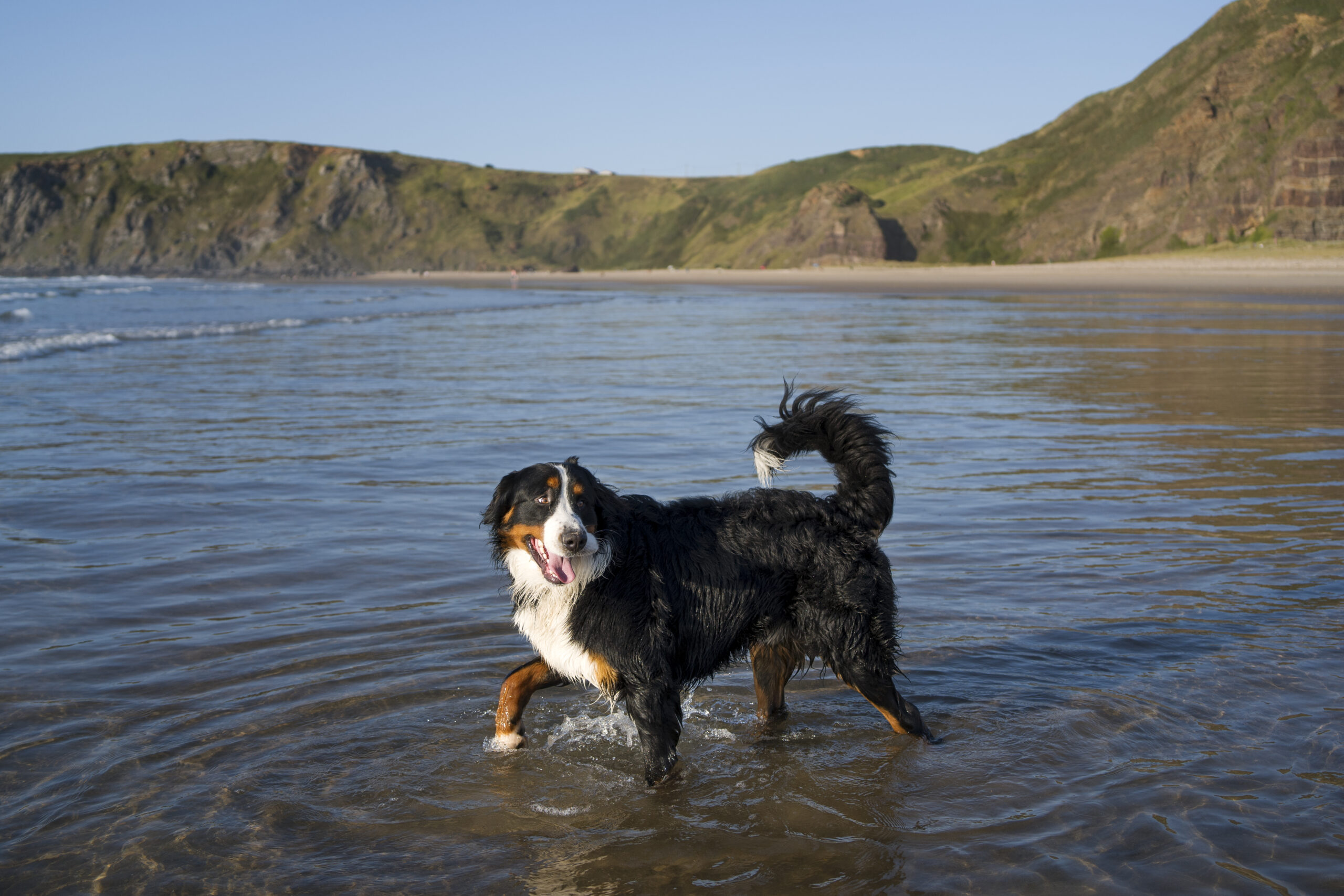
Pool, Lake, and Beach Safety
Water activities can be a great way to beat the heat, but they also come with risks:
- Pets should never have unsupervised access to a swimming pool — even strong swimmers can become exhausted or disoriented
- When boating or swimming in lakes or oceans, pets should wear properly fitted life jackets
- Provide plenty of shade and fresh drinking water
- Prevent pets from drinking salt water, lake water, or pool water
- Prevent pets from eating sand, which can cause gastrointestinal problems and dangerous blockages
Protect Those Paws
Hot pavement, asphalt, and concrete can cause painful burns surprisingly quickly. A good rule of thumb: if the surface is too hot for your bare feet, it’s too hot for your pet’s paws. To protect paws:
- Walk during cooler parts of the day
- Stick to grassy areas when possible
- Consider dog boots or shoes for outdoor adventures
- Paw balms can help soothe and protect irritated paw pads
Grooming and Sun Protection
Many pet owners assume shaving thick-coated dogs will help them stay cool, but that’s not always true. A pet’s undercoat can actually help insulate them from heat while also protecting them from sun exposure. Completely shaving certain double-coated breeds may increase the risk of sunburn. Instead:
- Regular brushing can help remove excess shedding undercoat
- Provide plenty of shade and fresh water
- Monitor short-haired and light-colored pets closely, as they are more susceptible to sunburn
Don’t Forget Parasite Prevention
Warm weather means more outdoor fun — but it also means more parasites. Summer brings increased exposure to fleas, ticks, mosquitoes, and intestinal parasites. Learn more about our flea and tick prevention services and internal parasite care on our blog.
To keep your pet protected:
- Stay current on monthly prevention
- Use year-round prevention
- Maintain heartworm prevention as recommended by your veterinarian
- Keep up with routine parasite screenings
Enjoy a Safe Summer!
Summer can be a wonderful season for making memories with your pets. By taking precautions against heat, water hazards, hot surfaces, sun exposure, and parasites, you can help ensure your furry family members stay safe and healthy all season long.
If you have questions about summer safety, parasite prevention, or heat-related emergencies, contact the Village Animal Hospital team. We’re here to help keep your pets protected year-round!