Why Regular Grooming Is Essential for Your Pet’s Health
When most people think about grooming, they picture a freshly bathed dog with a cute haircut or a fluffy cat with a shiny coat. While grooming certainly helps pets look their best, it’s much more than a cosmetic service—it’s an essential part of keeping them healthy, comfortable, and happy.
Regular grooming helps prevent painful health issues, keeps your pet’s skin and coat in good condition, and even improves their overall quality of life.
What Does Grooming Include?
Pet grooming involves much more than an occasional bath. Depending on your pet’s needs, grooming may include:
- Regular baths
- Brushing and de-shedding
- Hair trims or shave downs
- Nail trims
- Teeth brushing
Each of these plays an important role in your pet’s health.
Baths
Regular bathing removes dirt, debris, excess oils, and allergens from your pet’s skin and coat. Without routine baths, dogs can develop skin irritation, unpleasant odors, and even skin infections.
How often your dog needs a bath depends on their lifestyle. A dog that spends every weekend hiking through the woods will need baths more often than a couch-loving companion. Coat type, skin health, and activity level all influence bathing frequency.
Most cats are excellent self-groomers and don’t require regular baths. However, outdoor cats, long-haired cats, or cats with certain medical conditions may benefit from occasional bathing.
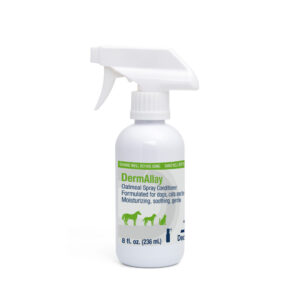
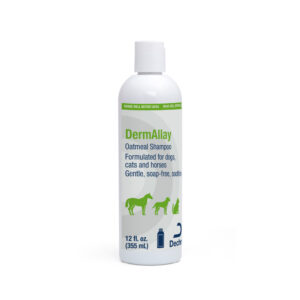
When bathing your pet at home, choose a gentle shampoo formulated specifically for pets. Oatmeal-based shampoos are often an excellent choice for pets with sensitive skin.
Bathing supplies we recommend:
Brushing, De-shedding, and Preventing Mats
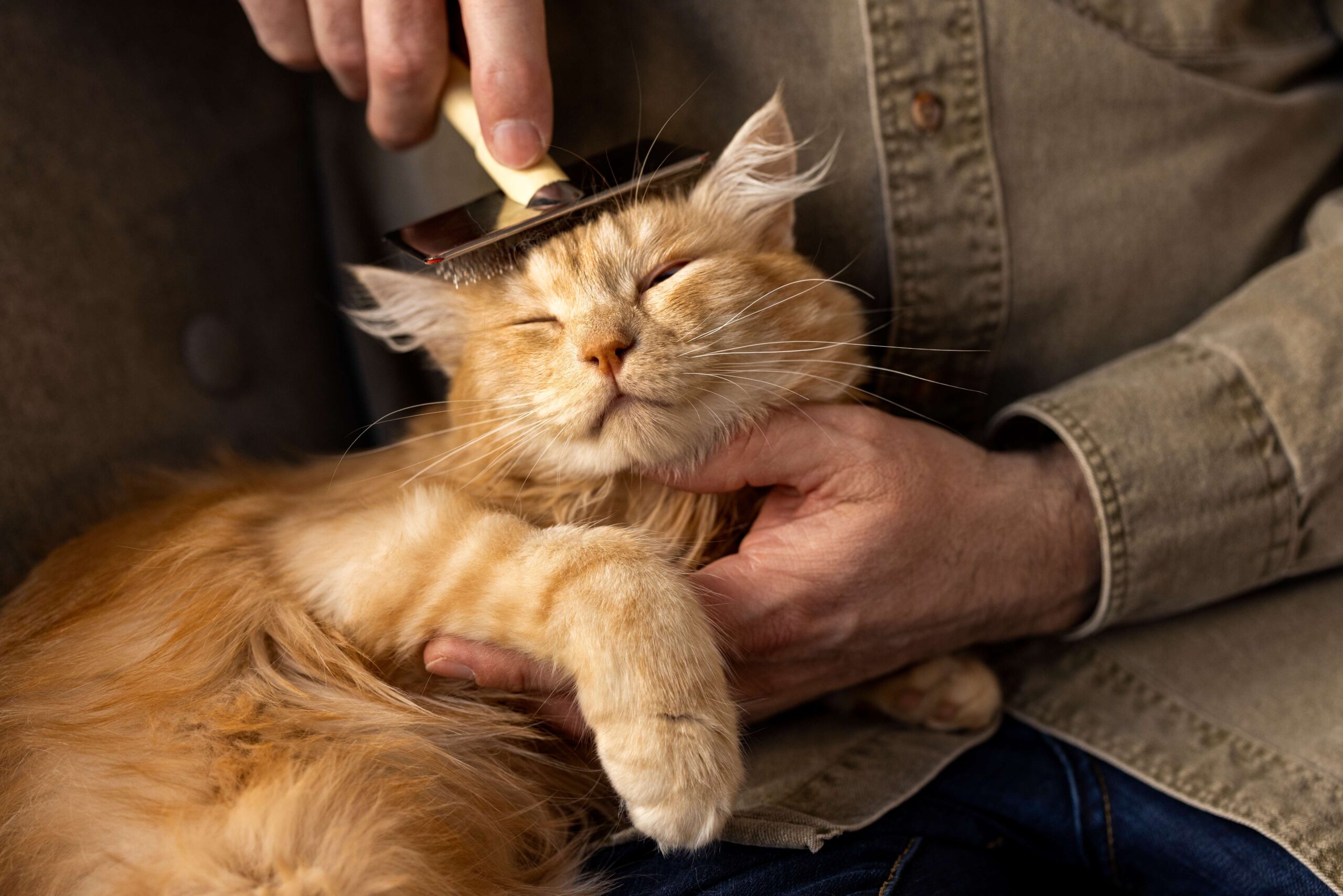
Regular brushing does more than reduce shedding around your home. It helps distribute natural oils through the coat, removes loose fur, and prevents tangles from becoming painful mats.
Matted fur isn’t just unsightly—it can pull tightly on the skin, causing discomfort, restricting movement, trapping moisture, and increasing the risk of skin infections. Severe matting can become so painful that pets require sedation to safely remove the mats.
Long-haired dogs and cats should be brushed regularly to prevent matting before it starts.
If your pet already has mats, resist the temptation to cut them out with scissors. The skin underneath mats is often pulled tightly against the fur, making accidental cuts surprisingly common. Trying to brush out severe mats can also be painful. Instead, have mats safely removed with clippers by a professional groomer or your veterinary team.
Hair Trims and Shave Downs
Many long-haired breeds benefit from regular trimming to keep their coats manageable and free of tangles. Professional grooming can help maintain a healthy coat while preventing painful matting.
Many owners wonder whether shaving their pet helps keep them cool during the summer.
In most cases, the answer is no.
Unlike people, dogs primarily cool themselves by panting rather than sweating through their skin. Their coats also provide insulation against both heat and sunlight. Shaving a coat too short may actually increase the risk of sunburn and remove some of the coat’s natural protective function.
If you’re unsure whether your pet would benefit from a trim or shave, speak with a professional groomer or your veterinarian to determine what’s best for their coat type.
Nail Trims
One of the most overlooked aspects of grooming is nail care.
When nails become too long, they can alter your pet’s posture, make walking uncomfortable, snag on carpets or furniture, tear painfully, or even grow into the paw pads. Ingrown nails are particularly common in older pets who are less active and no longer wear their nails down naturally.
These injuries are painful and often require veterinary treatment.
Most dogs benefit from nail trims every two to four weeks, although individual needs vary. Cats also require regular nail trims, especially senior cats who may stop using scratching posts as effectively.
Because every nail contains a blood vessel called the “quick,” trimming too short can be painful and cause bleeding. Many owners find rotary nail grinders (such as a Dremel-style tool) easier and safer to use than traditional clippers. If you’re uncomfortable trimming your pet’s nails, professional groomers and veterinary clinics are happy to help.
Dental Care: The Most Important Daily Grooming Habit
If there is one grooming habit that has the biggest impact on your pet’s long-term health, it’s brushing their teeth.
Dental disease is one of the most common medical conditions seen in both dogs and cats. Poor dental health doesn’t just cause bad breath—it can lead to painful infections, tooth loss, and may even affect the heart, kidneys, and other organs.
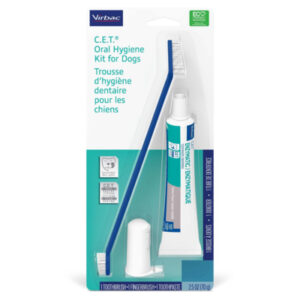
The gold standard for preventive dental care is daily tooth brushing using pet-safe toothpaste.
We know—especially for cat owners—that daily brushing is often easier said than done. However, even brushing several times a week is far better than not brushing at all. Starting when pets are young and making brushing a positive experience can make this routine much easier.
Dental tools we recommend:


Does My Dog Need Professional Grooming?
Every dog should receive:
- Regular baths
- Routine nail trims (typically every 2–4 weeks)
- Daily tooth brushing
- Regular brushing to remove loose hair
Dogs with long or continuously growing coats also need regular professional grooming to prevent tangles, mats, and skin problems.
Does My Cat Need Grooming?
Most cats do an excellent job keeping themselves clean, but they still benefit from routine grooming.
Long-haired cats should be brushed frequently to prevent painful mats. Outdoor cats may occasionally require baths if they become especially dirty.
Cats also need regular nail trims, particularly as they age. Senior cats often stop naturally wearing down their nails, increasing the risk of nails growing into the paw pads—a painful condition that requires veterinary treatment.
Daily tooth brushing is also recommended for cats, even if convincing them isn’t always easy!
When Grooming Isn’t Enough
Sometimes skin problems aren’t simply a grooming issue.
If your pet is constantly scratching, licking, or chewing at their skin, or if you notice redness, flakes, scabs, hair loss, unusual odors, discoloration, or sores, they may have allergies, parasites, or a skin infection.
Some pets benefit from medicated shampoos or prescription topical treatments, but these conditions should always be evaluated by your veterinarian to determine the underlying cause.
Keeping Your Pet Healthy from Nose to Tail
Grooming is one of the simplest ways to keep your pet healthy and comfortable throughout their life. Regular baths, brushing, nail trims, coat maintenance, and dental care help prevent painful problems before they start.
Whether you groom your pet at home or work with a professional groomer, consistency is key. If you’re ever unsure about your pet’s grooming needs—or notice changes in their skin, coat, nails, or teeth—don’t hesitate to reach out to your veterinary team. A little routine maintenance can go a long way toward keeping your furry family member feeling their very best.