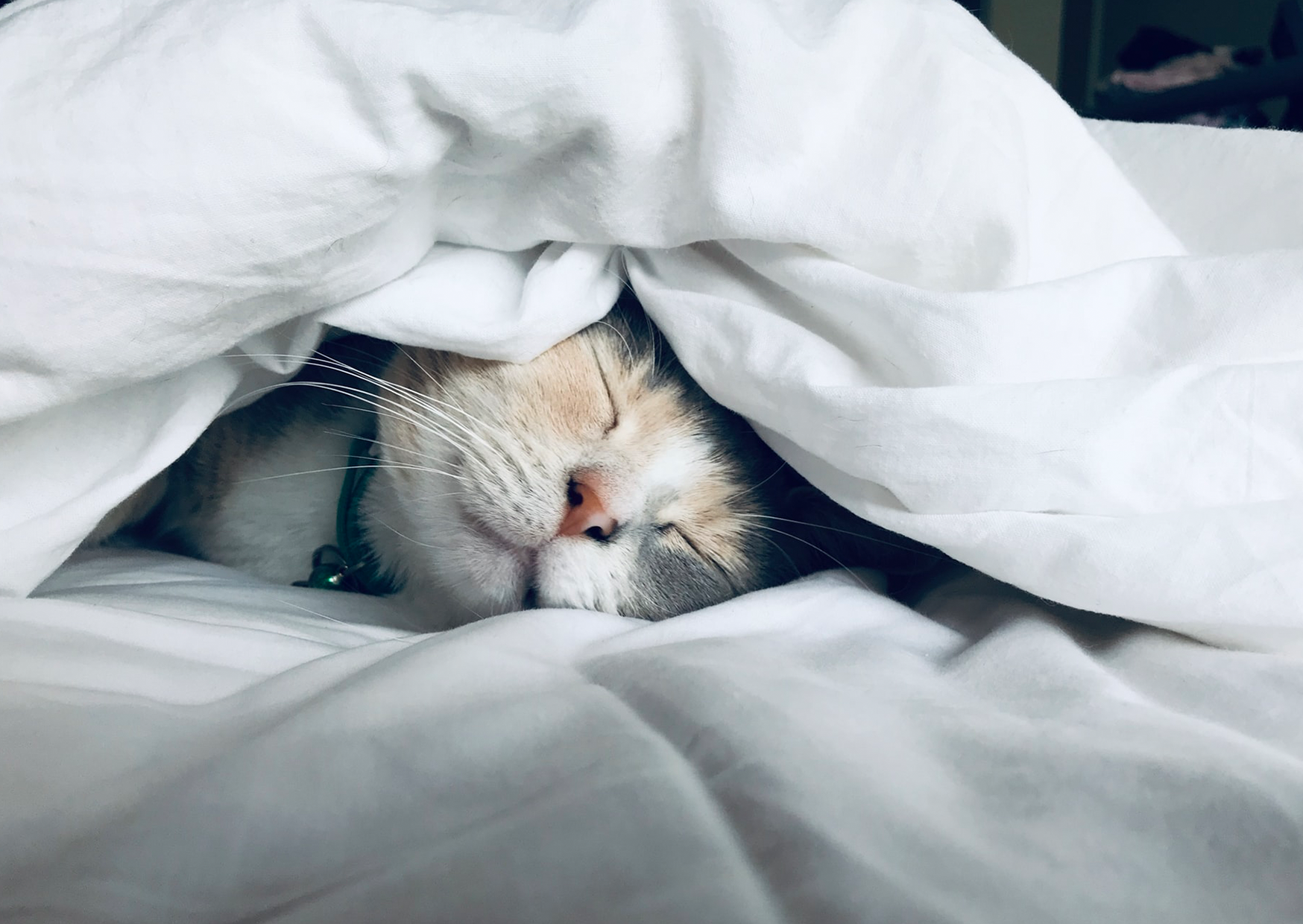
Winter in Buckhead brings chilly mornings, festive holidays, and cozy time indoors. It can also introduce seasonal hazards that many pet owners don’t realize are affecting their dogs and cats. Because pets naturally hide discomfort, they may be colder, stiffer, or more stressed than they appear. Here are essential winter pet safety tips from your Village Animal Hospital team to help your furry family stay warm, safe, and healthy.
Pets Often Hide Discomfort
Dogs and cats instinctively mask pain and cold. Even if your pet seems fine, subtle signs like shivering, slowing down on walks, or hesitating to go outside can signal discomfort. If something feels “off,” it is always worth checking in with your veterinarian.
Create a Warm, Safe Retreat
Indoor pets should avoid extended exposure to cold temperatures. Outdoor pets should always have a warm, insulated shelter that stays dry and blocks wind. Use any heating elements with extreme caution since they can create burn and fire risks. Whenever possible, bring pets indoors during cold snaps.
Tap the Hood Before Starting the Car
Outdoor and stray cats commonly curl up under car hoods for warmth. Simply tapping the hood before starting your engine can prevent serious injuries.
Keep Winter Clothing Dry
Coats and sweaters can help small-breed dogs or senior pets stay warm on walks. Wet clothing removes heat from the body, so always change garments if they become damp from snow or rain.
Protect Their Paws
Salt, ice, and rough surfaces can irritate paw pads. Wipe feet after walks and watch for cracks, redness, or discomfort. Paw balms and booties add an extra layer of protection during cold weather.
Cold Weather and Arthritis
Many pets experience worsening arthritis when temperatures drop. If your dog or cat seems stiff, slow to rise, or reluctant to climb stairs, schedule an exam. Your Buckhead veterinarian can recommend safe mobility support and pain management options.
Chronic Conditions Can Worsen
Cold temperatures can intensify symptoms of heart disease, kidney disease, endocrine issues, and respiratory conditions. If you notice panting, shaking, lethargy, or changes in behavior, reach out for a checkup.
Caloric Needs May Increase
Some pets burn extra calories staying warm. Before adjusting food portions, consult with your Village Animal Hospital veterinarian to make sure changes are appropriate for your pet’s health.
Parasites Are Still Active
Atlanta does not get cold enough for parasites to die off. Heartworm, fleas, and ticks remain active all winter. Continue monthly prevention without interruption.
Prevent Lost Pets
Snow and ice can block familiar scents, increasing the risk of pets getting lost. Keep pets supervised and ensure collars, tags, and microchips are up to date.
Store Chemicals Safely
Ice-melting salts and antifreeze are toxic to pets. Store all winter products safely and clean spills immediately.
Have a Winter Emergency Plan
Cold snaps, power outages, and winter storms can happen unexpectedly. Keep extra food, medications, warm bedding, and a plan for safe sheltering with your pets during emergencies.
Winter Can Be Safe and Enjoyable
A little preparation goes a long way in keeping pets healthy during winter. If you have concerns about your pet’s comfort, winter behavior, or chronic conditions, the Village Animal Hospital team in Buckhead is here to help your family stay warm all season long.