Because love should never come with a trip to the emergency vet.
Valentine’s Day is full of sweet treats, beautiful flowers, and thoughtful gifts—but many of these well-meaning gestures can pose serious risks to our pets. At Village Animal Hospital, we see preventable holiday emergencies every year, so we want to help you keep your furry family members safe, happy, and out of trouble this Valentine’s Day.
Chocolate: More Than Just a Sweet Treat
Most people know chocolate is bad for pets, but here’s why it’s dangerous.
Chocolate contains theobromine and caffeine, two substances that dogs and cats process very differently than humans. In pets, these act as powerful stimulants that affect the heart and nervous system. Many chocolates are also high in fat, which can irritate the gastrointestinal tract and even lead to pancreatitis, a serious and painful condition. Signs of chocolate toxicity may include:
- Vomiting and diarrhea
- Restlessness or agitation
- Increased or irregular heart rate
- Tremors or seizures
- Collapse or death in severe cases
Not all chocolate is equally dangerous:
- Milk chocolate is generally less toxic
- Dark or semi-sweet chocolate contains much higher levels of theobromine
- Baking chocolate is by far the most dangerous—even small amounts can be life-threatening
If your pet ingests any amount of chocolate, contact Village Animal Hospital immediately. We may ask for:
- Your pet’s weight
- The brand and ingredients of the chocolate
- The approximate amount ingested
- The approximate time of ingestion
Treatment may include:
- Inducing vomiting (when appropriate and safe)
- Activated charcoal to limit toxin absorption
- Subcutaneous or IV fluids to support hydration and flush toxins
- Medications to control vomiting or diarrhea
- Close monitoring of the heart and nervous system
- In severe cases, hospitalization
Other Candies: Watch Out for Xylitol
Chocolate isn’t the only Valentine’s Day danger. Many candies, baked goods, and even some peanut butters contain xylitol (also called birch sugar).
Xylitol is extremely toxic and life-threatening to pets. Even small amounts can cause a rapid and dangerous drop in blood sugar and can lead to liver failure. In some cases, this can become fatal in as little as an hour.
Pets that ingest xylitol need immediate veterinary care. Treatment often includes:
- Inducing vomiting right away (when safe)
- Hospitalization
- IV fluids and sugar supplementation
- Frequent bloodwork to monitor for organ damage
Flowers & Plants: Pretty but Potentially Poisonous
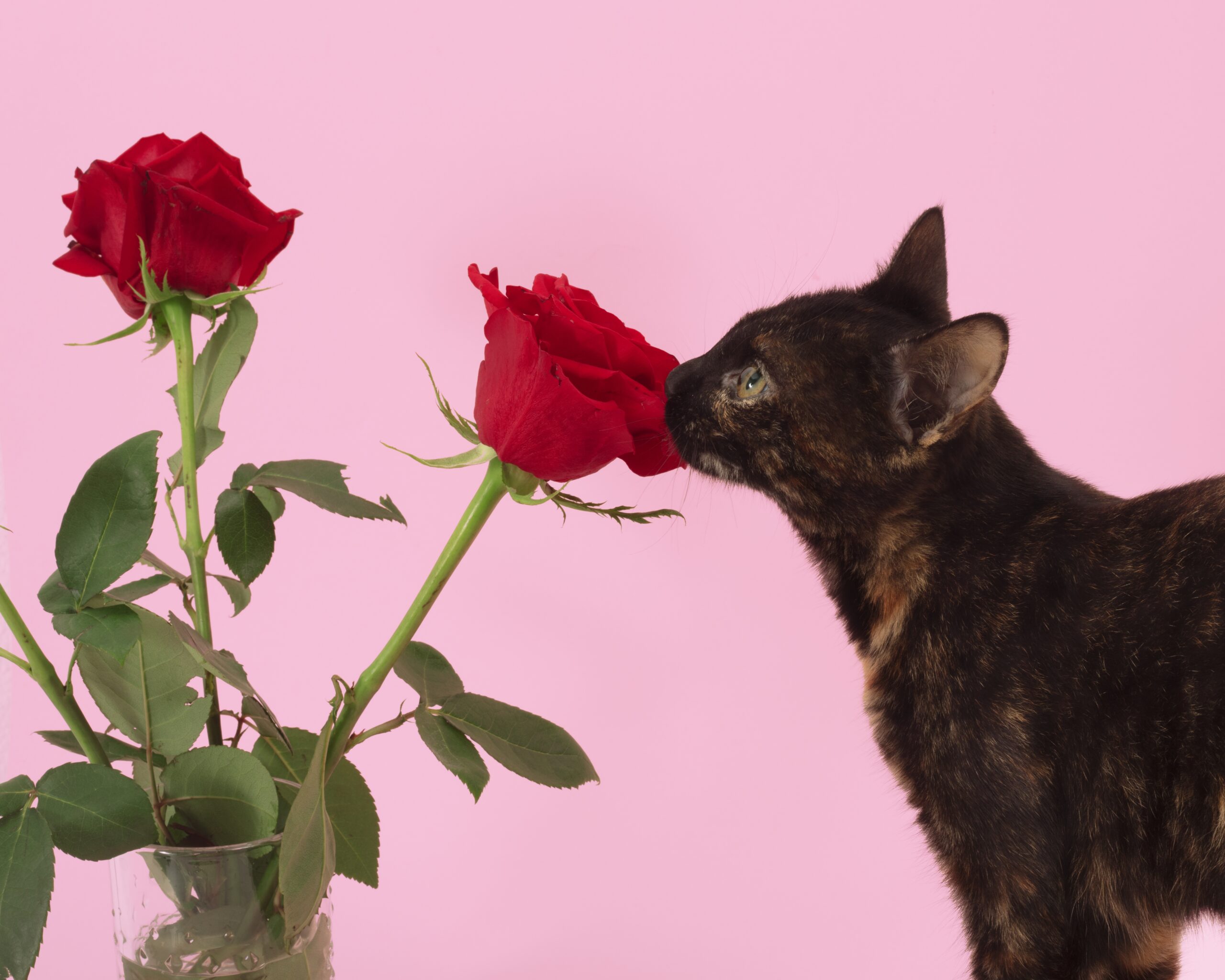
Flowers are a Valentine’s Day classic, but many popular plants are toxic to pets. Some can be life-threatening even in very small amounts, and every part of the plant can be dangerous—including leaves, petals, pollen, soil, and even the water in the vase. Extremely dangerous plants include:
- Tiger Lilies
- Stargazer Lilies
- Easter Lilies
- Oleander
- Foxglove
- Daffodils
- Cyclamen
- Azaleas
These plants can cause kidney failure, heart failure, and other severe complications. Symptoms may not appear for hours or even days, so don’t wait for signs to develop.
If you think your pet may have chewed on or ingested any part of a plant, call Village Animal Hospital right away, even if they seem fine. Treatment may include:
- Inducing vomiting
- Medications to limit toxin absorption
- IV fluids to protect the kidneys and support recovery
- Close bloodwork monitoring
A Very Important Note About Inducing Vomiting
You may notice that inducing vomiting is sometimes part of treatment, but this should only be done by a veterinary professional.
Trying to induce vomiting at home can cause serious complications, including aspiration pneumonia, which occurs when vomit is inhaled into the lungs and can be life-threatening. Home remedies like hydrogen peroxide can also cause severe irritation or ulcers in the digestive tract and may make things worse.
If you think your pet has eaten something toxic, please get to a veterinarian immediately. We can determine the safest and most effective treatment for your pet.
Valentine’s Day should be full of love—not emergencies. Keeping sweets and flowers safely out of reach and choosing pet-safe gifts can go a long way in protecting your pets.
If you ever have questions or concerns about potential toxin exposure, the team at Village Animal Hospital is here to help. Your pet’s safety and health are always our top priority.