Spring brings a welcome change in weather, but for some pets, it also means allergy flare-ups. Just like us, our furry friends can suffer from environmental allergens that trigger uncomfortable symptoms. But how do you know for sure if your pet is experiencing an allergic response, and what can you do to help? Let’s dive into the world of pet allergies – what causes them, how they’re diagnosed, and most importantly, how to find relief for your pet.
What Are Allergies in Pets?
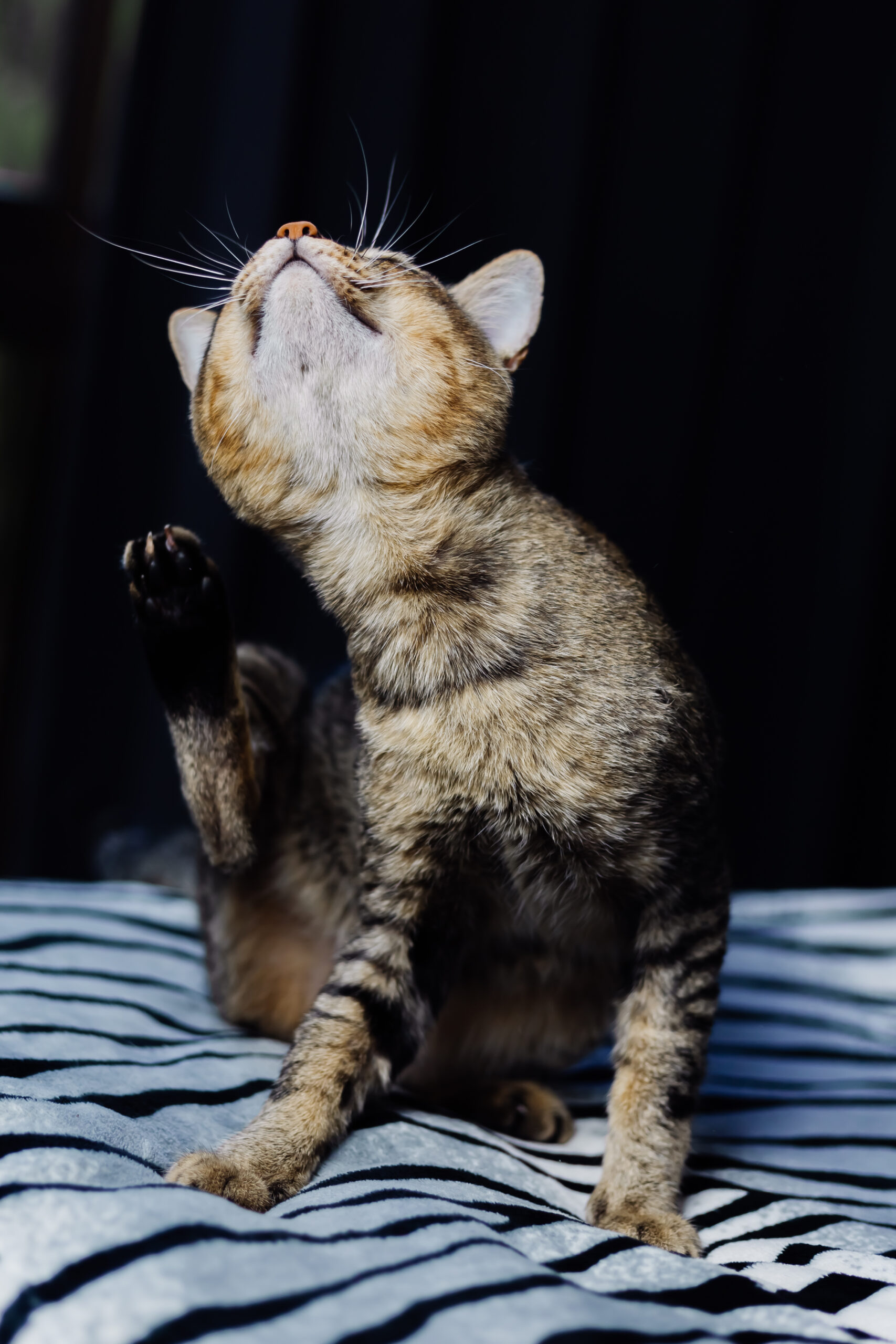
Pets, like humans, can have allergic reactions to various substances in their environment. These reactions occur when their immune system overreacts to harmless triggers, called allergens. While some pets sneeze and experience nasal or eye discharge—similar to human allergy symptoms—most pets show their allergic reactions by becoming itchy. These signs may include:
- Scratching
- Licking their paws
- Overgrooming
- Shaking their heads
- Dragging their bottoms on the floor
This itchy behavior is often a telltale sign of a condition known as atopy or atopic dermatitis, which is a genetic tendency for the immune system to overreact to common allergens.
What Triggers Allergies in Pets?
Allergens can fall into three main categories: food, fleas, and environmental sources. Let’s break each one down:
Food Allergies
Food allergies in pets are less common but still occur. If your pet has a food allergy, it’s often to the protein in their diet, with poultry (such as chicken) being the most common culprit. The symptoms of food allergies can range from itchiness to gastrointestinal upset like vomiting or diarrhea.
If you suspect your pet has a food allergy, the best way to confirm it is by conducting a food trial. This involves feeding your pet a therapeutic prescription diet for several weeks—either a diet with a novel protein (such as lamb or duck) or a hydrolyzed diet where the proteins are broken down to reduce immune system reactions. During the food trial, the pet cannot have any other diets, treats, table scraps, flavored medications , etc. This process can take time, but it’s an effective way to rule out or confirm food-related allergies. Be sure to follow your vet’s advice on selecting the best food trial for your pet.
Flea Allergies
Fleas are generally an irritant to pets, but for some, even a single flea bite can trigger a serious allergic reaction like flea allergy dermatitis (FAD). Regardless of setting signs of a flea allergy, the key is prevention. Flea infestations can be subtle, and often, you don’t see fleas on your pet until an outbreak has escalated.
To prevent fleas, it’s important to use monthly flea prevention. We recommend prescription-strength products as they are often the most effective. Over-the-counter options are often inadequate, particularly in areas like Georgia, where fleas thrive year-round. Some recommended options include:
- Simparica Trio: A four-in-one solution for dogs that covers heartworms, intestinal parasites, fleas, and ticks.
- Revolution Plus: a combination solution for cats that covers heartworms, ear mites, fleas, some intestinal parasites, and some ticks.
- Interceptor Plus with Credelio: A combo approach in which Interceptor Plus targets heartworms and intestinal parasites while Credelio targets fleas and ticks.
Even if your pet is an indoor-only animal, fleas can still be brought in from the outside by humans or other pets. Make sure to stay on year-round prevention for the best protection.
Environmental Allergies
Environmental allergies are the most common cause of allergic reactions in pets, especially during spring and summer months. These can include allergens like grass, pollen, dust mites, or mold—and the list goes on. The tricky part? These allergens are everywhere, making them difficult to avoid or eliminate and pets often have allergies to multiple sources.
Diagnosing environmental allergies can be considered once a food allergy and flea allergy are ruled out as possible causes. To further understand your pets environmental allergies, a veterinary specialist may perform an allergy test, which involves injecting small amounts of allergens into the skin and assessing the pet’s reaction. Once allergens are identified, a customized vaccine can be created to help desensitize the pet’s immune system over time, reducing symptoms.
However, even with treatment, there is no “cure” for atopy or atopic dermatitis. It’s a lifelong condition, and most pets will require ongoing management to control their symptoms effectively.
Managing Itchy Pets: Medications and Treatments
Even if the source of your pet’s allergies is identified, treatment typically involves supportive medications to control symptoms. The goal is to reduce itching and inflammation, allowing your pet to feel more comfortable. Common treatment options can include:
- Antihistamines
- Corticosteroids
- Immunotherapy (allergy shots or oral medications)
While these treatments don’t cure the underlying allergy, they are highly effective at controlling symptoms, particularly itching, overgrooming, and scratching. If your pet is constantly licking, scratching, or shaking their head, talk to your vet about the best anti-itch medications for their specific needs.
Secondary Infections: The Snowball Effect
An itchy pet can face more problems than just discomfort. Inflamed skin caused by constant scratching or licking creates a warm, moist environment that is perfect for bacteria and yeast to overgrow. This leads to secondary issues like:
- Skin infections
- Ear infections
- Eye infections
- Anal gland infections
These secondary infections can make your pet even more miserable and cause a cycle of worsening symptoms. If your pet’s itching is accompanied by crusty or smelly skin, discharge from the eyes or ears, shaking their head, or dragging their bottom, it’s important to take them to the vet as soon as possible for treatment.
The Bottom Line: Don’t Ignore the Itch
Diagnosing and treating your pet for allergies can be a long and frustrating road. But if your pet is constantly itchy, don’t wait to take action. Allergies are not just an inconvenience—they can lead to long-term discomfort and even more serious health problems, like infections. By working with your vet, you can identify the underlying cause of the allergies and find a treatment plan that helps your pet feel better.
If your furry friend is suffering from itching, scratching, or any of the symptoms mentioned above, reach out to your veterinarian to discuss treatment options. With the right care, you can help your pet live a comfortable, happy life—even during allergy season.