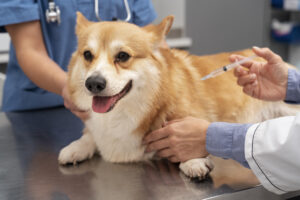
February is Dental Health Awareness Month, and at Village Animal Hospital, it is the perfect time to shine a spotlight on something that often gets overlooked but plays a huge role in your pet’s overall health: their teeth and gums.
Many pets show no obvious signs of dental disease until it becomes painful or advanced, which is why routine dental care and early prevention are so important. Whether you have a playful puppy, a senior cat, or anything in between, keeping their mouth healthy can help them stay comfortable, active, and happy for years to come.
What is Oral Health for Pets?
Oral health refers to the condition of your pet’s teeth, gums, and mouth. Like humans, pets can suffer from dental disease, which can affect their overall health. In fact, by the age of three, approximately 80% of dogs and 70% of cats have some form of dental disease.
When pets eat, food particles mix with bacteria in the mouth, forming a thin layer of plaque on their teeth. If this plaque isn’t regularly removed, it hardens and turns into tartar, which is more difficult to remove. Tartar can cause gum irritation, known as gingivitis, and over time, lead to serious bone and tissue damage. Tartar buildup can’t be removed by simply brushing your pet’s teeth — it requires professional cleaning using specialized dental tools, like an ultrasonic scaler.
Veterinarians measure the level of buildup on a scale of 1 to 4:
- 1: Mild plaque buildup and mild gingivitis. A professional cleaning may be recommended.
- 2: Moderate plaque buildup affecting the roots, mild bone loss, and gingivitis with mild gingival recession. A professional dental cleaning will definitely be recommended at this level.
- 3: Severe plaque buildup, serious bone loss, and gingival recession. Professional cleaning is needed and will likely be very involved. Extractions are likely needed to restore dental health.
- 4: Severe buildup, bone loss, and gingival recession. Professional cleaning is needed and many teeth will likely need to be extracted. Some damage may be irreversible.
Some breeds are more prone to dental disease than others, so if you have a small breed like a Yorkie, Frenchie, or Pug, it’s important to pay special attention to their dental health early in life.
Why is Oral Health Important?
Oral health plays a significant role in your pet’s overall well-being. Neglecting dental care can lead to periodontal disease, a painful condition that affects the roots and gums of the teeth. The discomfort from periodontal disease can reduce your pet’s appetite, lead to lethargy, and lower their quality of life.
Oral infections don’t just stay in the mouth. If untreated, bacteria can enter the bloodstream, potentially causing serious complications with organs like the heart, liver, and kidneys.
Signs of Periodontal Disease to Watch For
- Bad breath
- Pawing or rubbing at the mouth
- Red or swollen gums
- Drooling
- Brown or yellow tartar on teeth
- Difficulty eating or chewing
Other issues to watch for include fractured teeth, feline resorptive lesions, or retained baby teeth.
How to Prevent Dental Disease
Daily Tooth Brushing
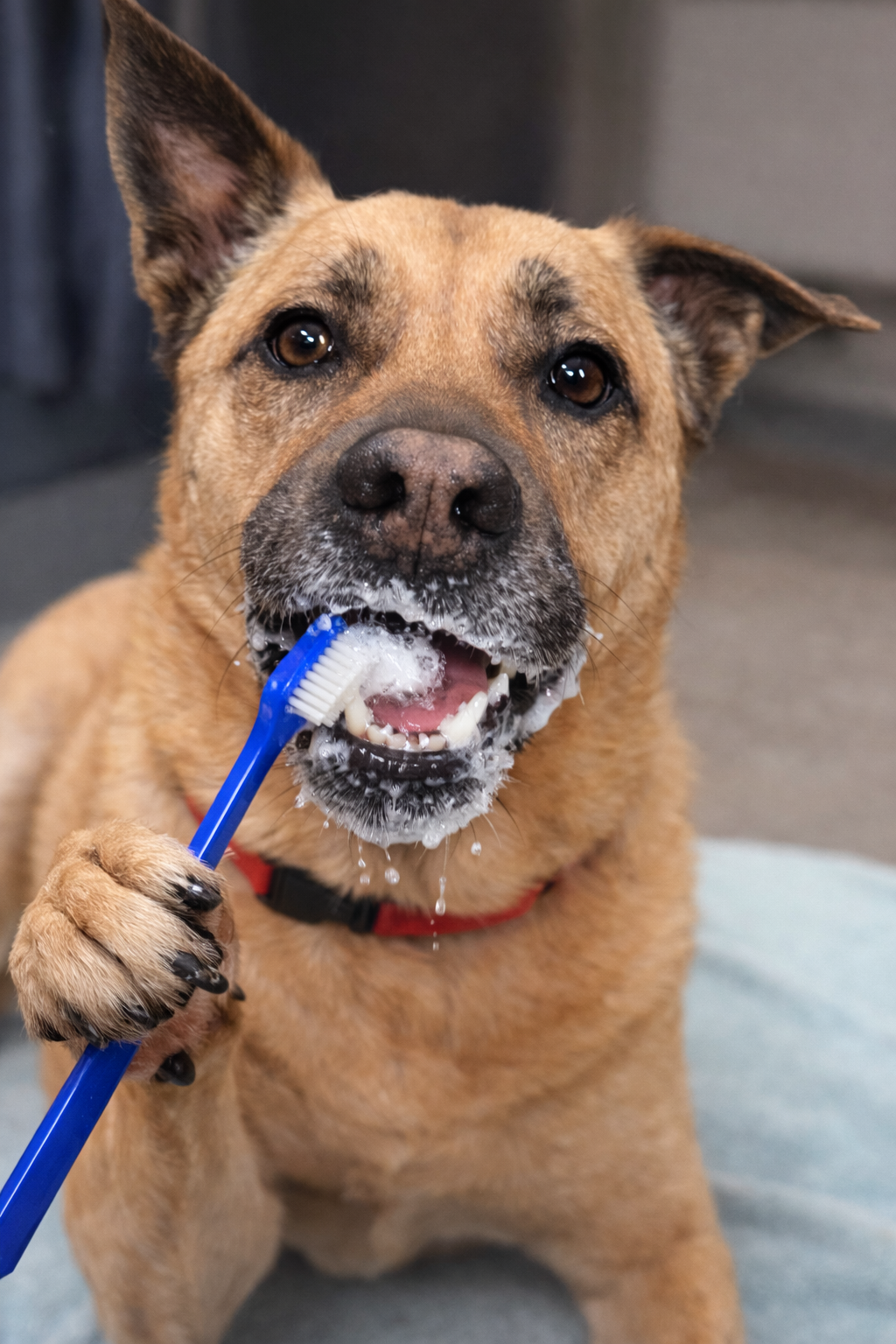
The number one thing you can do for your pet’s dental health is to brush their teeth daily. This helps prevent plaque buildup before it can harden into tartar.
Use a pet-specific toothpaste (human toothpaste can be unsafe). It’s flavored to make the experience more pleasant for your pet and safe to swallow.
Getting your pet used to brushing may take some time, so be patient. Start by using a small amount of toothpaste on your finger to let them get used to the taste, then gradually introduce a finger brush or pet toothbrush.
Treat it as a fun training session and use positive reinforcement to build a routine your pet will enjoy.

Dental Chews
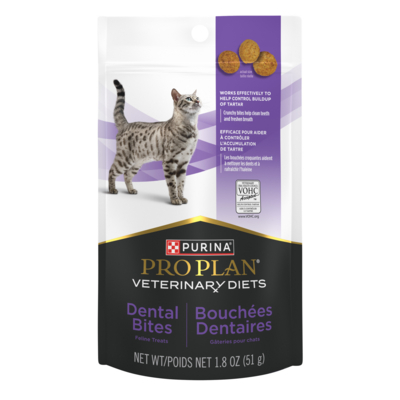
In addition to brushing, dental chews can help reduce plaque buildup. Look for products approved by the Veterinary Oral Health Council (VOHC).
 |
 |
 |
Professional Cleanings
Just like humans, pets will still need professional cleanings even with the best home care. Your vet can assess your pet’s dental health and perform a thorough cleaning under anesthesia if needed.
What Happens During a Professional Dental Cleaning?
- Ultrasonic scaling to remove tartar
- Polishing to smooth enamel
- Dental X-rays to detect hidden issues
- Gum line evaluation
- Extractions if necessary
Why Does a Dental Procedure Require Anesthesia?
During a professional cleaning, your pet must remain still while their mouth is examined and cleaned. General anesthesia allows this to be done safely and thoroughly.
Before anesthesia, bloodwork is performed to ensure organs are healthy. The heart and lungs are checked, and an IV catheter is placed for fluids and safety monitoring. The veterinary team monitors vitals throughout the procedure.
The benefits and improved quality of life from dental cleaning far outweigh the minimal risks associated with anesthesia.
The Benefits of Dental Health Care
Keeping your pet’s teeth healthy is essential for their overall health. Preventing dental disease improves quality of life, reduces pain, and helps avoid serious complications like heart and kidney disease.
Dental health is an ongoing effort. Regular brushing, dental chews, and professional cleanings will help keep your pet healthy.
If you haven’t already, schedule a dental check-up for your pet during Dental Health Awareness Month. Their smile and health will thank you.
Dental care is one of the simplest ways to improve your pet’s comfort, health, and quality of life. With regular brushing, the right dental products, and professional cleanings when needed, you can help prevent pain, infection, and serious health issues.
If you have questions about your pet’s dental health or want to schedule a dental evaluation, contact Village Animal Hospital today. Our team is here to help keep your pet healthy, comfortable, and smiling.