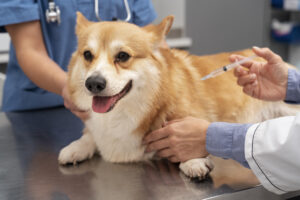
As the New Year begins, many people set a goal to quit or cut back on smoking. It’s a positive step for health–but did you know it also has a major impact on your pets? While we often think about smoking risks for humans, our furry family members can be affected even more severely. Pets live closer to the floor where smoke particles settle, groom themselves, and spend more time indoors–which means exposure is higher than most owners realize.
This is the perfect time to learn how smoking and vaping affect pets and what every pet owner should know to keep them safe.
Secondhand Smoke: More Harmful to Pets Than You May Realize
Just like people, pets can experience the harmful effects of secondhand smoke. Passive exposure can damage cells, increase the risk of cancer, and lead to long-term health concerns.
Pets exposed to smoke are at higher risk for:
- Lung cancer
- Oral cancer
- Nasal cancer (especially for long-nosed dogs and cats)
- Chronic respiratory disease and irritation
- Worsening of existing conditions like asthma or bronchitis
Smoke particles settle on furniture, floors, bedding–and even your pet’s fur. When pets lick their coat during grooming, they can ingest those toxins. Indoor smoking increases risk significantly since smoke lingers on surfaces long after it’s gone from the air.
Accidental ingestion can also occur when pets chew on cigarette butts or get into ashtrays. Even a small amount can be dangerous.
Nicotine Toxicity: A Veterinary Emergency
Nicotine is extremely toxic to pets, even in small amounts. Dogs and cats can be exposed by chewing on cigarettes, eating cigarette butts, or getting into nicotine replacement products such as gum, patches, pouches, or lozenges.
Common signs of nicotine poisoning include:
- Drooling
- Vomiting or diarrhea
- Restlessness or agitation
- Elevated heart rate
- Tremors or muscle twitching
- Weakness or collapse
- Weakness or collapse
- Seizures
- In severe cases, life-threatening complications
If you suspect your pet ingested nicotine, seek veterinary care immediately. Treatment often requires inducing vomiting (when appropriate), IV fluids, medications to stabilize symptoms, and close monitoring. The sooner treatment begins, the better the outcome.
Vaping and E-Cigarettes: Not a Safer Alternative
Many assume vaping is less dangerous—but for pets, it can be even riskier.
Key concerns include:
- Highly concentrated liquid nicotine in vape cartridges
- Sweet fruit or candy-flavored liquids that attract pets
- Rapid absorption in the body—symptoms can appear in 15–30 minutes
- Batteries and device parts can cause internal burns or blockages if swallowed
Because vaping often happens indoors and devices are set down casually, pets may easily access them without owners noticing.
Nicotine Replacement Products Aren’t Pet-Safe Either
Products used to help humans quit smoking–like gum, patches, pouches, and lozenges–also contain dangerous levels of nicotine. They may seem harmless, but their flavoring makes them appealing to pets and increases the risk of ingestion.
Even one piece of nicotine gum or a single patch can cause serious illness or poisoning.
Store them securely and out of reach just like medications.
How to Protect Your Pets
Simple steps can greatly reduce risk:
- Keep all nicotine products out of reach
- Never leave cigarettes, vapes, or patches on tables or nightstands
- Smoke outdoors only
- Wash hands before touching pets after smoking or vaping
- Dispose of cigarette butts and cartridges securely
- Store e-liquid bottles and vapes in locked or elevated spaces
Your pet depends on you to create a safe environment, and small changes can make a big difference.
A Supportive Note on Quitting
If quitting is part of your New Year goals, we’re cheering you on. Reducing smoking not only protects your own health—it improves the long-term health of your pets too. Even choosing to smoke only outdoors can lower exposure drastically.
If you ever believe your pet has eaten nicotine or is showing symptoms of toxicity, contact us or an emergency veterinarian right away. Quick action can save a life.
Your pet’s well-being matters—and we’re here to help.
If you have concerns about smoke exposure or think your pet may have ingested nicotine, reach out to schedule an exam. Early care can prevent serious complications and keep your companion healthy for years to come.