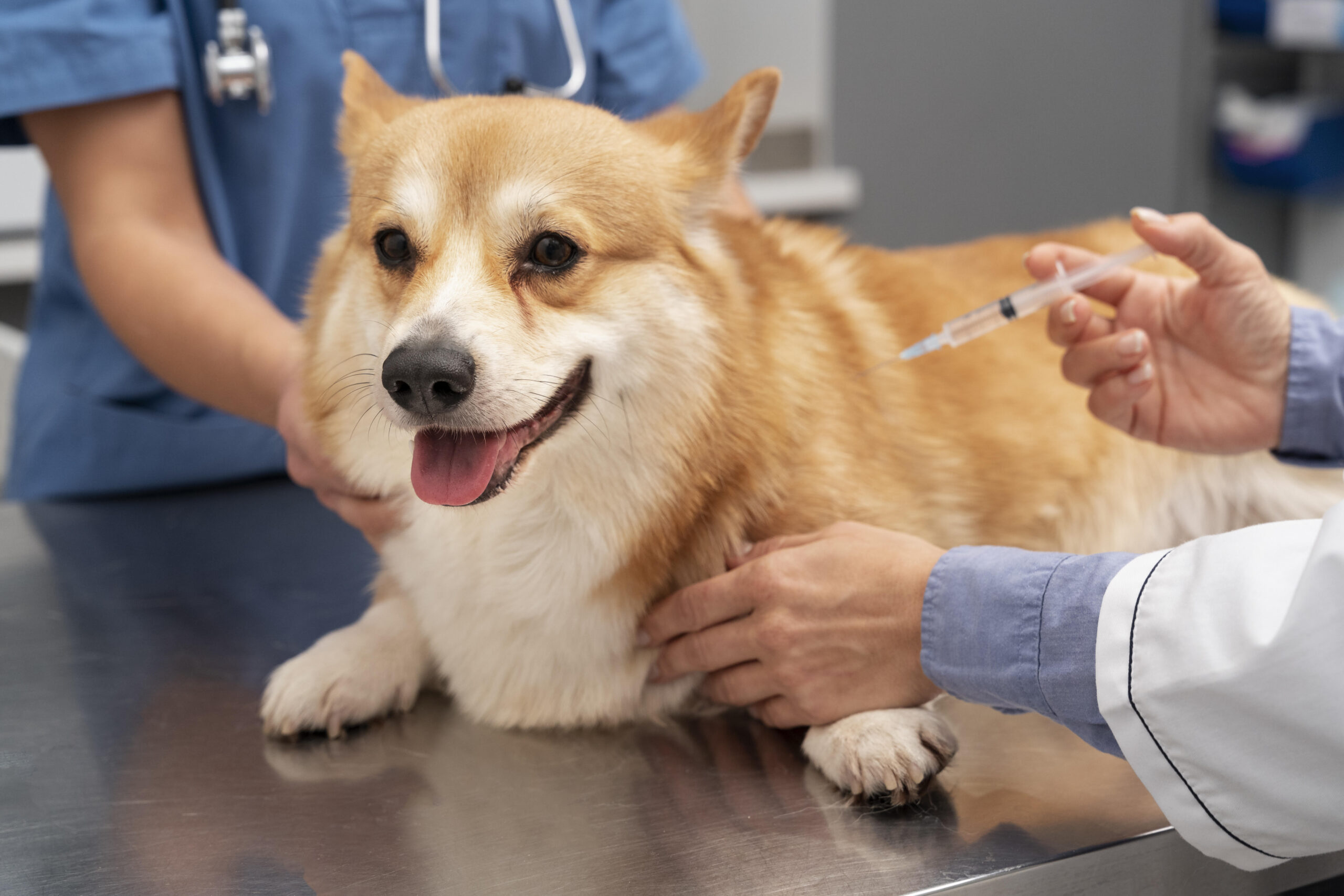
Diabetes isn’t just something people deal with. Dogs and cats can develop diabetes too, and while the diagnosis can feel overwhelming at first, it’s important to know that diabetes is very manageable with the right care. Many pets go on to live long, comfortable, and happy lives once their condition is properly treated and monitored.
At Village Animal Hospital, we work closely with pet owners in Dunwoody and the surrounding area to help them understand what a diabetes diagnosis means and how to manage it confidently at home.
What Is Diabetes?
Diabetes mellitus occurs when the body cannot properly regulate blood sugar, also known as glucose. Glucose fuels the body’s cells, but it can only be used when insulin is present.
Insulin is produced by the pancreas. In pets with diabetes, the pancreas either does not produce enough insulin or does not produce insulin at all. When insulin is lacking, glucose remains in the bloodstream instead of entering the body’s cells, causing blood sugar levels to rise abnormally high.
Types of Diabetes in Pets
There are two primary forms of diabetes seen in animals.
- Insulin dependent diabetes is most commonly diagnosed in dogs. In these cases, the pancreas produces little to no insulin, and pets require lifelong insulin injections.
- Non insulin dependent diabetes is sometimes seen in cats. While some insulin is still produced, treatment is still necessary. With proper management, some cats may even achieve remission.
Common Signs of Diabetes
Diabetes can present with a range of symptoms, which may develop gradually over time.
Increased thirst and urination are often the first signs pet owners notice. Excess glucose in the bloodstream forces the kidneys to work harder, leading to more frequent urination and increased water intake.
Many pets experience increased appetite paired with weight loss. Because glucose is not being properly used for energy, the body begins breaking down fat stores, even though the pet may be eating more.
In advanced or untreated cases, pets may become lethargic, weak, or uninterested in food.
How Diabetes Is Diagnosed
A veterinarian diagnoses diabetes through laboratory testing. Blood tests typically show elevated glucose levels, while urine tests may reveal glucose spilling into the urine as the body attempts to eliminate excess sugar.
Treatment and Long Term Management
Most diabetic dogs and many diabetic cats require insulin injections. While the idea of giving injections can feel intimidating, most pet owners are surprised by how manageable it is. The needles are very small, injections are given under the skin, and most pets barely notice them. Your veterinarian will guide you through the process and make sure you feel comfortable before starting treatment.
Different types of insulin require specific syringes, such as U 40 or U 100, which must match the insulin prescribed. Using the wrong syringe can lead to dangerous dosing errors, so this step is very important.
Finding the correct insulin dose takes time and careful monitoring. After starting insulin, your veterinarian may perform a blood glucose curve, which tracks blood sugar levels throughout the day. Based on these results, the dose may be adjusted. Additional curves are often needed after any dose change until a stable and effective dose is reached.
Some pets may benefit from a continuous glucose monitor, such as a Freestyle Libre, which allows glucose readings to be taken at home and can reduce the need for frequent in hospital testing.
Diet also plays a major role in managing diabetes. Prescription diets are often recommended because they are formulated to support stable blood sugar levels. Consistent feeding times are especially important for pets receiving insulin.
Potential Complications
Diabetic ketoacidosis is a serious and life threatening complication that occurs when the body breaks down fat for energy, producing ketones. This condition can cause dehydration, lethargy, decreased appetite, and organ dysfunction and often requires emergency hospitalization.
Hypoglycemia, or low blood sugar, can occur if too much insulin is given or if a pet does not eat before receiving insulin. Symptoms may include weakness, disorientation, lethargy, or acting unusually uncoordinated. Severe cases can lead to seizures.
Dogs with diabetes are also at risk for developing cataracts due to chronic high blood sugar levels, which can significantly affect vision.
With consistent care, monitoring, and communication with your veterinary team, diabetes does not have to limit your pet’s quality of life. If you notice changes such as increased thirst, frequent urination, weight loss, or appetite changes, early evaluation can make a significant difference.