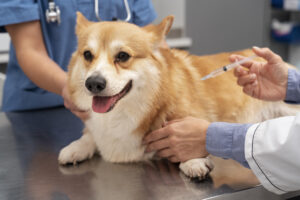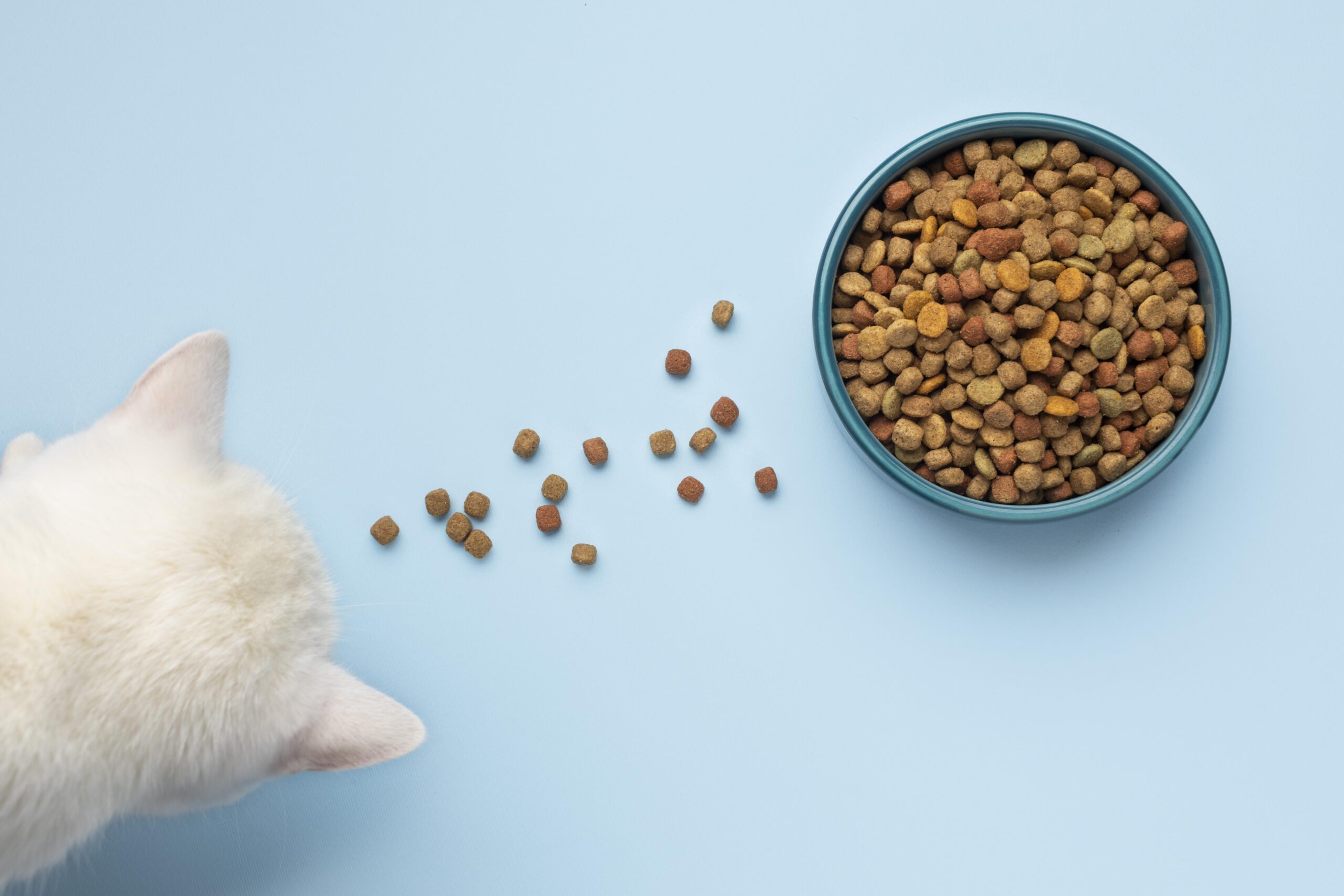
Deciding what food to feed your pet can feel overwhelming. With so many brands, formulas, and nutrition trends available, it’s hard to know what truly matters. At Village Animal Hospital, we believe pet nutrition should be practical, evidence based, and tailored to each individual pet.
The good news is that choosing a healthy diet doesn’t have to be complicated. Below is a veterinarian approved guide to help you make confident, informed decisions about your pet’s nutrition.
What Matters Most in a Pet Food?
When evaluating any pet food, we focus on three key factors:
- Is the diet complete and balanced?
- Does your pet enjoy it and tolerate it well?
- Is your pet maintaining a healthy body weight on it?
If all three of these are true, the specific brand or trend is often less important than many pet owners think.
Which Pet Food Brands Are Best?
Rather than focusing on brand popularity, we prioritize nutritional quality and scientific formulation.
We recommend pet food companies that:
- Employ veterinary nutritionists
- Conduct extensive research and feeding trials
- Maintain strict quality control standards
- Meet AAFCO (Association of American Feed Control Officials) nutritional guidelines
It’s also important to know that recalls are not always a bad sign. In many cases, recalls indicate a company is actively monitoring product safety and taking responsibility when issues arise.
Some smaller boutique brands may not invest in the same level of research or quality control and often do not employ veterinarians or nutrition specialists to design their formulas.
Why This Matters
Several years ago, veterinarians identified a link between certain grain free diets and heart disease (dilated cardiomyopathy). Many of these diets lacked taurine, an essential nutrient, and were produced by brands without thorough nutritional testing.
Brands we commonly recommend include:
- Purina Pro Plan
- Hill’s Science Diet
- Royal Canin
- Eukanuba
No matter which brand you choose, always confirm that the food states it is AAFCO approved.
Canned Food vs Dry Food
Both canned and dry food can be healthy options, and each has its benefits.
Canned food benefits
- Higher moisture content, which supports hydration
- Typically higher protein and lower carbohydrates
- Especially beneficial for cats, who naturally drink less water
Dry food benefits
- Convenient and cost effective
- Crunchy texture may help reduce dental tartar buildup
- Typically higher in carbohydrates
For many pets, a combination of canned and dry food works very well.
Does the Protein Source Matter?
From a nutritional standpoint, the specific protein source usually doesn’t matter as much as overall quality.
General guidance includes:
- Look for foods that list a named protein source as the first ingredient
- Chicken is highly digestible and commonly used
- Food allergies are most often linked to proteins, with poultry being the most common
- Fish based diets, such as salmon, are often used for pets with sensitive skin and provide beneficial omega 3 fatty acids
Feeding Based on Life Stage
Life stage appropriate nutrition is important for long term health.
- Puppies and kittens: Feed puppy or kitten food until about one year of age
- Adult pets: Adult formulas are appropriate from one to seven years
- Senior pets: After seven years, senior diets may help support mobility, cognitive function, and aging organs
Special Needs and Lifestyle Considerations
Some pets benefit from specialized diets based on size, lifestyle, or medical needs, including:
- Large breed formulas during growth
- Small breed formulas for appropriate kibble size and calorie density
- Performance diets for highly active or working dogs
- Indoor cat diets for lower activity levels
- Adjusted calorie intake after spay or neuter
- Prescription diets for certain medical conditions when recommended by your veterinarian
Raw Diets and Home Cooked Meals
At Village Animal Hospital, we do not recommend raw diets.
Reasons include:
- Difficulty balancing nutrients correctly
- Risk of bacterial contamination such as Salmonella or E. coli
- Risk of parasites
- Potential health risks to both pets and people
Home cooked diets should only be used if they are formulated by a veterinary nutritionist to ensure proper nutrient balance.
How to Switch Foods Safely
Any diet change should be done gradually over seven days:
- Days 1–2: 25% new food, 75% old food
- Days 3–4: 50% new food, 50% old food
- Days 5–6: 75% new food, 25% old food
- Day 7: 100% new food
This slow transition helps prevent vomiting and diarrhea.
Feeding Schedule and Portions
We recommend:
- Measured meals rather than free feeding
- Feeding two to three times daily
Free feeding is discouraged because it can contribute to obesity and makes managing medical diets more difficult.
Portion needs vary based on breed, age, activity level, and health conditions. Feeding guidelines on food bags are a helpful starting point, but they are often slight overestimates. Adjustments should be made based on your pet’s body condition and your veterinarian’s guidance.
Treats and Chews
- Limit table scraps
- Choose treats that provide added benefits, such as dental chews or joint supplements
- Use training treats in moderation
There is no single perfect food for every pet, but there is a right food for your pet.
If you ever feel unsure about what to feed your pet, the team at Village Animal Hospital is here to help guide you. We’re happy to make personalized nutrition recommendations based on your pet’s age, lifestyle, and medical needs.
Healthy nutrition today helps support a longer, happier life tomorrow.